Currently Empty: $0.00
Protection From Weather
Beyond protecting operators from outdoor conditions, an enclosed cab can improve the overall working experience. Features such as climate control, effective filtration, sound insulation, comfortable seating, and well-positioned controls help reduce distractions and physical strain during repetitive operations. Better visibility and ergonomic design also support accurate bucket positioning, material handling, and machine operation.
However, cab performance depends on its design, equipment, and maintenance. Sealing, air filtration, heating and cooling systems, visibility, and interior layout can vary between wheel loader models. The right choice depends on the working environment, operating hours, climate, and level of protection required. Understanding these differences helps businesses select a wheel loader cab that supports operator comfort, safety, and productivity.
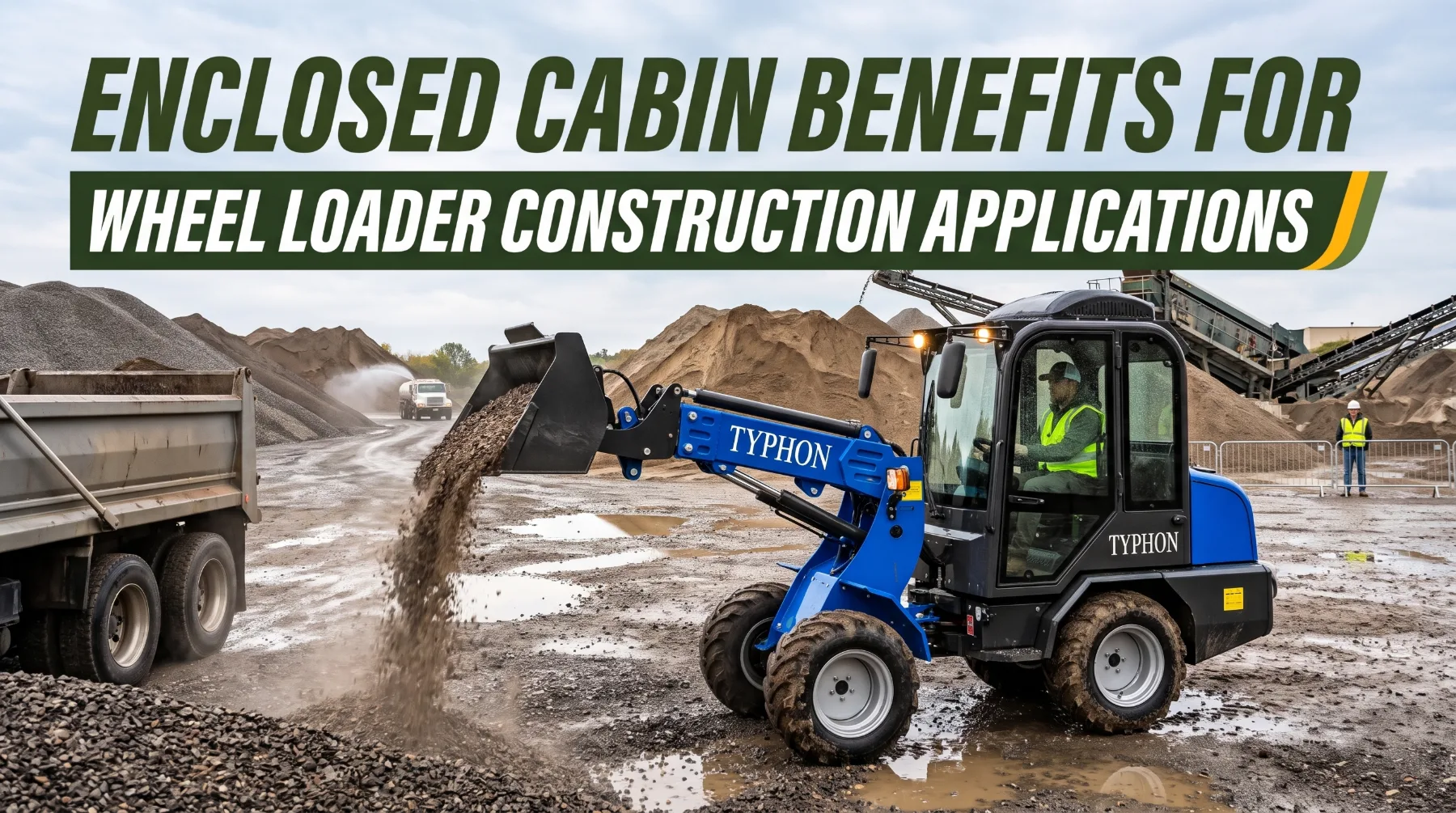
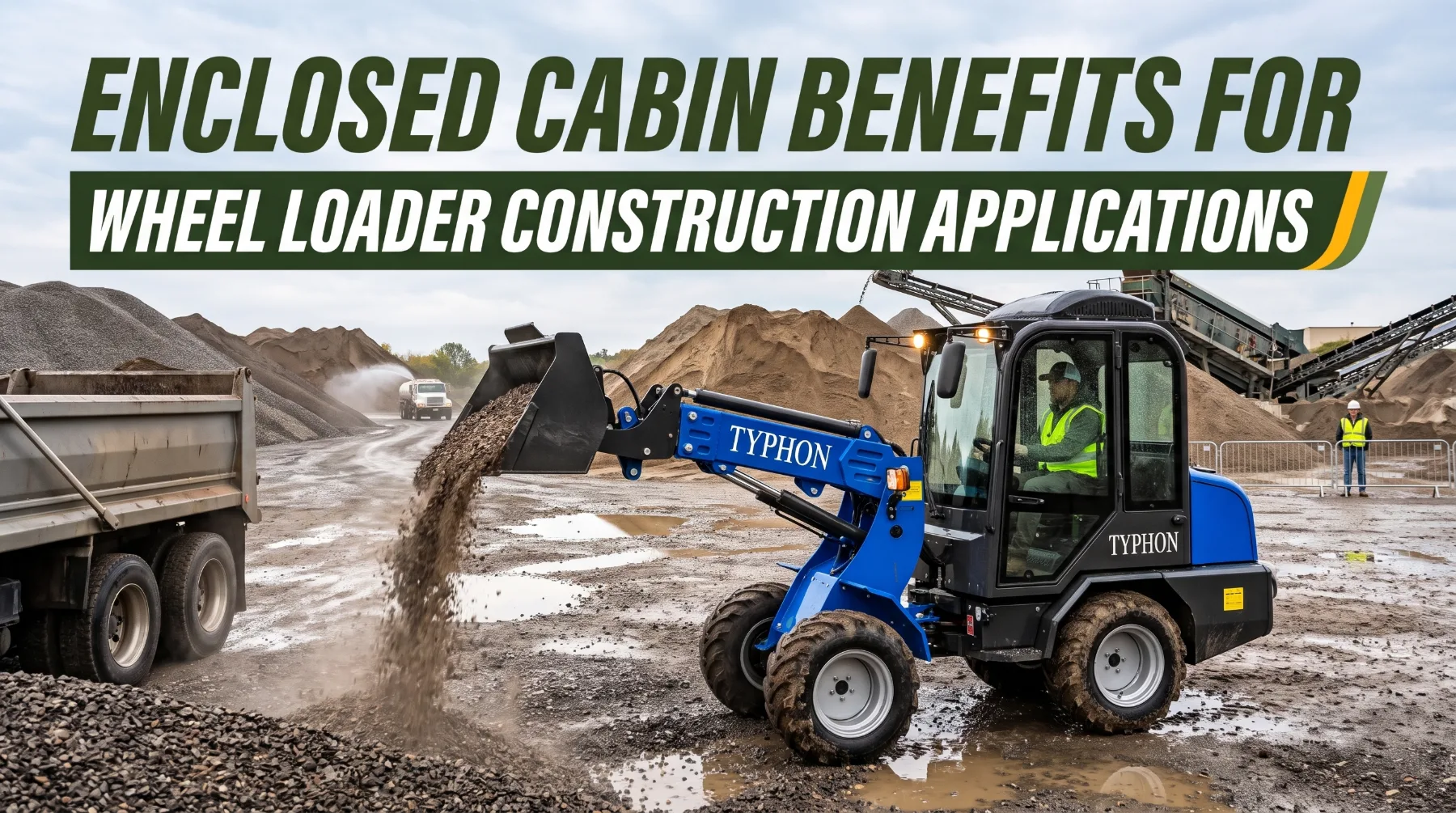
Weather is one of the most obvious reasons buyers choose an enclosed cab. Wheel loaders often work outdoors all year, and their operators spend entire shifts exposed to whatever the day brings. An enclosure changes that experience significantly. An enclosed cabin surrounds the operator with a roof, doors, and windows built around the machine’s protective structure. Depending on its design, it can reduce direct exposure to rain and wet conditions that soak clothing and make controls slippery, wind that drives cold air and debris into the operator area, snow and freezing temperatures during winter work, heat and direct sun during long summer shifts, and airborne debris such as grit and small particles thrown up during loading. Operators who aren’t fighting the elements can focus on the bucket, the load, and the people and equipment around them.
Exposure takes a gradual toll. Cold hands lose dexterity. Wet clothing drains energy. Heat slows reaction time and increases fatigue. On a wheel loader, those effects show up as slower cycles, less precise bucket placement, rougher truck loading, and more spillage. A protected operator can maintain a steady working routine from the first truck to the last. That consistency helps crews keep schedules on track when weather would otherwise slow the job or shorten the working day. In regions with harsh winters or hot summers, an enclosed cab can also extend the productive season.
Not every enclosed cab offers the same level of protection. The quality of weather protection depends on cab structure, door seals and gaskets, door design and latching, window construction, and the condition of wipers and washers. A rigid, well-built cab frame keeps panels and glass aligned so seals can do their job. Worn or damaged seals let the weather in. When you evaluate a loader, open and close the doors, inspect the seals, and check how windows fit in their frames. Small gaps can make a large difference over a full winter.
Wheel loader cabs are typically built around a rollover protective structure (ROPS) and, where specified, a falling object protective structure (FOPS). These structures help protect the operator only when used as designed. Operators must wear the seat belt whenever the machine is running. Never drill, weld, or modify the cab structure, because changes can weaken it and invalidate its certification.
Key takeaway: An enclosed cabin reduces exposure to rain, wind, snow, temperature extremes, and airborne debris, helping operators maintain a steady routine through long shifts. The level of protection depends on cab construction, seals, doors, windows, and wipers, so inspect these features on the exact machine you’re considering.
Dust and Environmental Exposure
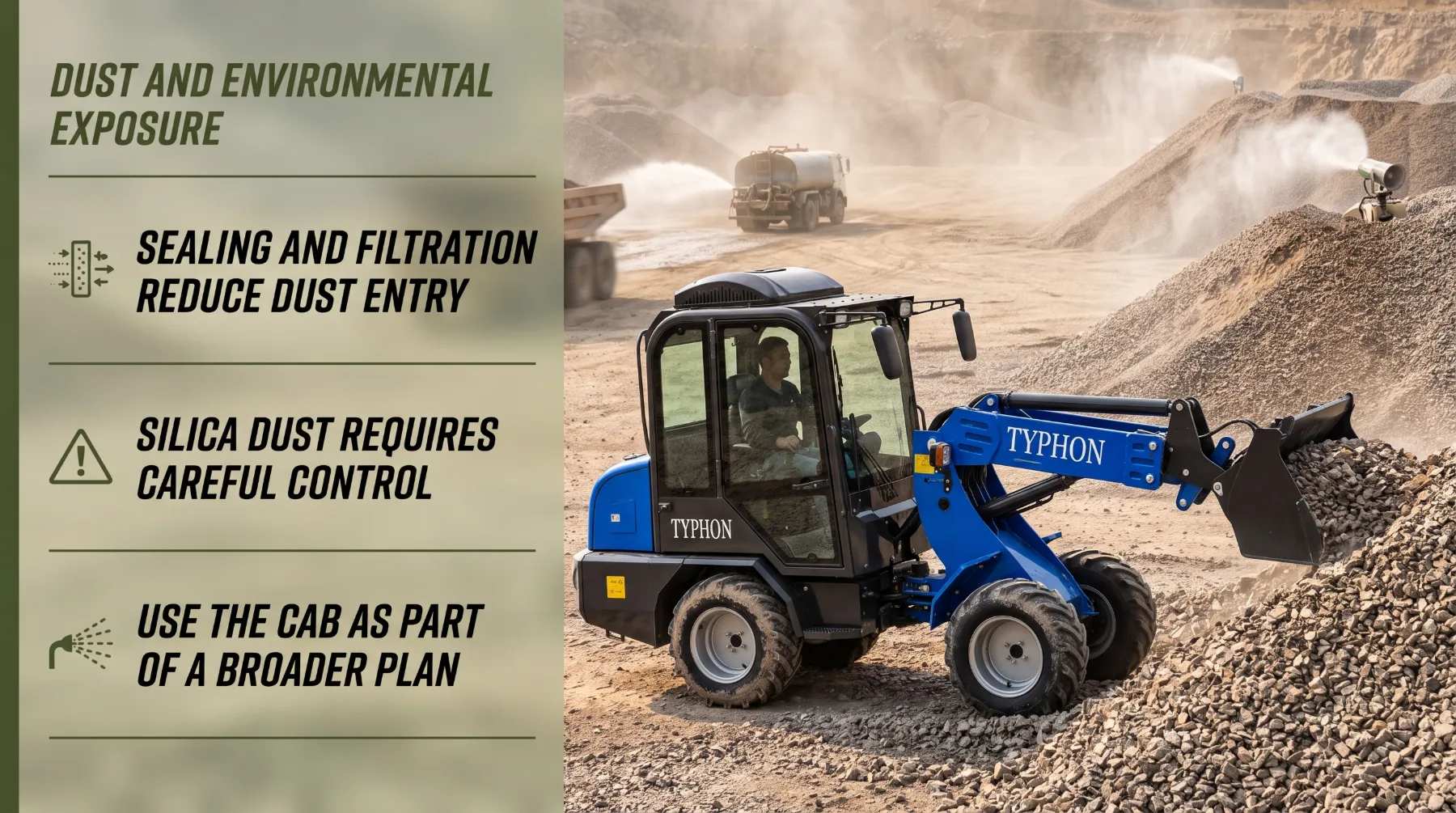
Two features determine how well a cab keeps dust out: sealing and filtration. Sealing keeps outside air from leaking in through gaps around doors, windows, panels, and penetrations for cables and controls. Filtration cleans the air drawn into the cab through the ventilation system. Many cabs designed for dusty work also use pressurization, where the ventilation system draws air through filters and pushes it into the cab, creating slightly higher pressure inside than outside. That positive pressure helps keep unfiltered air from seeping in through small gaps, but it only works when doors are closed and seals are intact.
Dust from crushing, cutting, or handling concrete, brick, and some types of rock and sand can contain respirable crystalline silica. These fine particles can reach deep into the lungs, and prolonged exposure poses serious health risks. Quarries, aggregate yards, demolition sites, and recycling operations commonly generate this type of dust. Because of these risks, cab filtration and sealing deserve careful attention in silica-generating environments. Review the manufacturer’s filtration specifications and follow the workplace exposure requirements that apply to your operation and location.
An enclosed cab can reduce dust exposure, but it does not guarantee complete protection. Protection depends on the cab’s sealing and pressurization design, the type and efficiency of cab air filters, how often filters are inspected and replaced, the condition of door seals and window gaskets, and whether operators keep doors and windows closed during dusty work. A cab with worn seals or a clogged filter can let significant dust inside, even if it was well designed when new. Treat the enclosed cab as one layer in a complete dust control strategy that also includes water suppression on stockpiles and haul roads, reduced drop heights when loading trucks, speed control on unpaved routes, maintained cab filters and seals, respiratory protection where required, and housekeeping practices that keep dust from building up inside the cab.
Key takeaway: Cab sealing, filtration, and pressurization can reduce dust exposure, which matters especially where silica dust is present. Protection varies by design and maintenance, so check filter specifications and door seals, and treat the cab as one part of a broader dust control plan.
Heating, Air Conditioning, and Ventilation
Air conditioning cools the cab and lowers humidity during hot weather. That matters on aggregate yards, asphalt plants, and construction sites where the sun beats down on steel and glass all afternoon. A cooler operator stays sharper during repetitive loading cycles and is less likely to make mistakes late in the shift. Lower humidity also helps reduce window fogging. Ventilation moves air through the cab and helps keep it from feeling stuffy over a long shift. Fresh-air intake systems bring outside air into the cab, usually through a filter, while recirculation settings move air within the cab to help with heating or cooling efficiency. Operators should be able to direct airflow toward themselves and toward the glass.
Climate features vary widely by model and configuration. A basic enclosed cab may offer only a heater and fan. A fully equipped cab may include automatic climate control, pressurized fresh-air ventilation, and upgraded filtration. Before you buy, confirm in writing whether heating and air conditioning are standard or optional, the ventilation and fresh-air intake design, the cab air filter type and replacement interval, defrost capability for the front and side glass, and whether the climate system suits your site’s temperature range. During a demonstration, run the heater and air conditioning at different settings, check airflow at the operator position and on the glass, and note how quickly the cab reaches a comfortable temperature.
Key takeaway: Heating, air conditioning, and ventilation help operators stay alert and accurate in hot and cold conditions, and defrost keeps glass clear for safe operation. Because features vary widely, verify exactly which climate components are included and confirm they suit your site’s environmental conditions.
Visibility and Operating Awareness
Many modern wheel loader cabs use large glass areas, slim pillars, and curved or extended windshields to improve sightlines. Some designs position the operator for a better view of the bucket corners and the ground ahead. Sloped engine hoods and rear window placement can also improve rear visibility. When comparing machines, check visibility with the bucket at ground level, at carry height, and fully raised at the truck, since visibility at the dump point is often where cab designs differ most. Even well-designed cabs have limits. Visibility can be reduced by cab pillars and door frames, the lift arms and bucket when raised, the engine compartment and counterweight at the rear, sun glare and reflections on glass, and condensation, rain, mud, and dust on windows.
Keep windows and mirrors clean, use defrost to prevent fogging, maintain wipers and work lights, and adjust mirrors before operation. Use rear cameras or detection systems where fitted. In congested areas, assign a trained spotter, separate pedestrian walkways from machine routes, establish clear traffic patterns, and ensure workers stay clear of the loader’s operating area.
Key takeaway: Large windows and thoughtful cab layout help operators monitor the bucket, load, tires, and surroundings, but pillars, lift arms, reflections, and dirty glass still create blind spots. Keep glass clean, use mirrors, cameras, and spotters where fitted or required, and support visibility with clear site traffic procedures.
Comfort During Long Shifts
The seat is where comfort begins. Look for fore-and-aft and height adjustment for operators of different sizes, suspension to absorb bumps and vibration, backrest and lumbar adjustment to support a natural posture, armrests that support the forearms during joystick or lever operation, and a comfortable, properly fitting seat belt that operators will wear every time. Seat suspension is especially important on rough haul roads and uneven stockpile floors, where jolts travel through the machine into the operator’s spine. Controls should also allow operators to work for hours without awkward reaches or strain. Consider joystick or lever position and effort, whether controls move with the seat or armrest, steering method, placement of switches for lights and climate control, and display readability in bright sunlight and at night.
Engine noise, hydraulic sounds, and bucket impacts can increase operator fatigue. A well-insulated cab helps reduce noise, while ride control can smooth lift arm movement during travel and keep material stable. Check published noise levels and follow site hearing protection requirements. During a demonstration, have operators adjust the seat, test comfort features, and run typical loading cycles to assess overall comfort.
Key takeaway: Seat adjustment and suspension, control placement, noise reduction, ride quality, and climate control all influence operator fatigue during repetitive loading cycles. Have every regular operator test the cab in their own working position rather than assuming every enclosed cab offers the same comfort.
Maintenance and Cab Selection
Doors and seals take a beating on a working loader. Operators open and close doors many times a day, and seals compress, wear, and collect dust. Inspect them regularly and replace them according to the manufacturer’s guidance. Check that doors open and close smoothly, latch securely, and stay aligned so seals remain effective. Damaged glass can reduce visibility and compromise the cab’s sealing, so repair or replace it promptly. In high-debris applications, ask about window guards or impact-resistant glazing approved for the machine. Cab air filters protect the operator from dust, and they clog faster on dusty sites. Follow the manufacturer’s replacement interval and check filters more often in quarries, demolition, and aggregate handling. Air conditioning systems need periodic service, including refrigerant checks, condenser cleaning, and belt inspection. Keep the cab interior clean by using a vacuum or damp cloth rather than compressed air, which can blow fine particles back into the air the operator breathes.
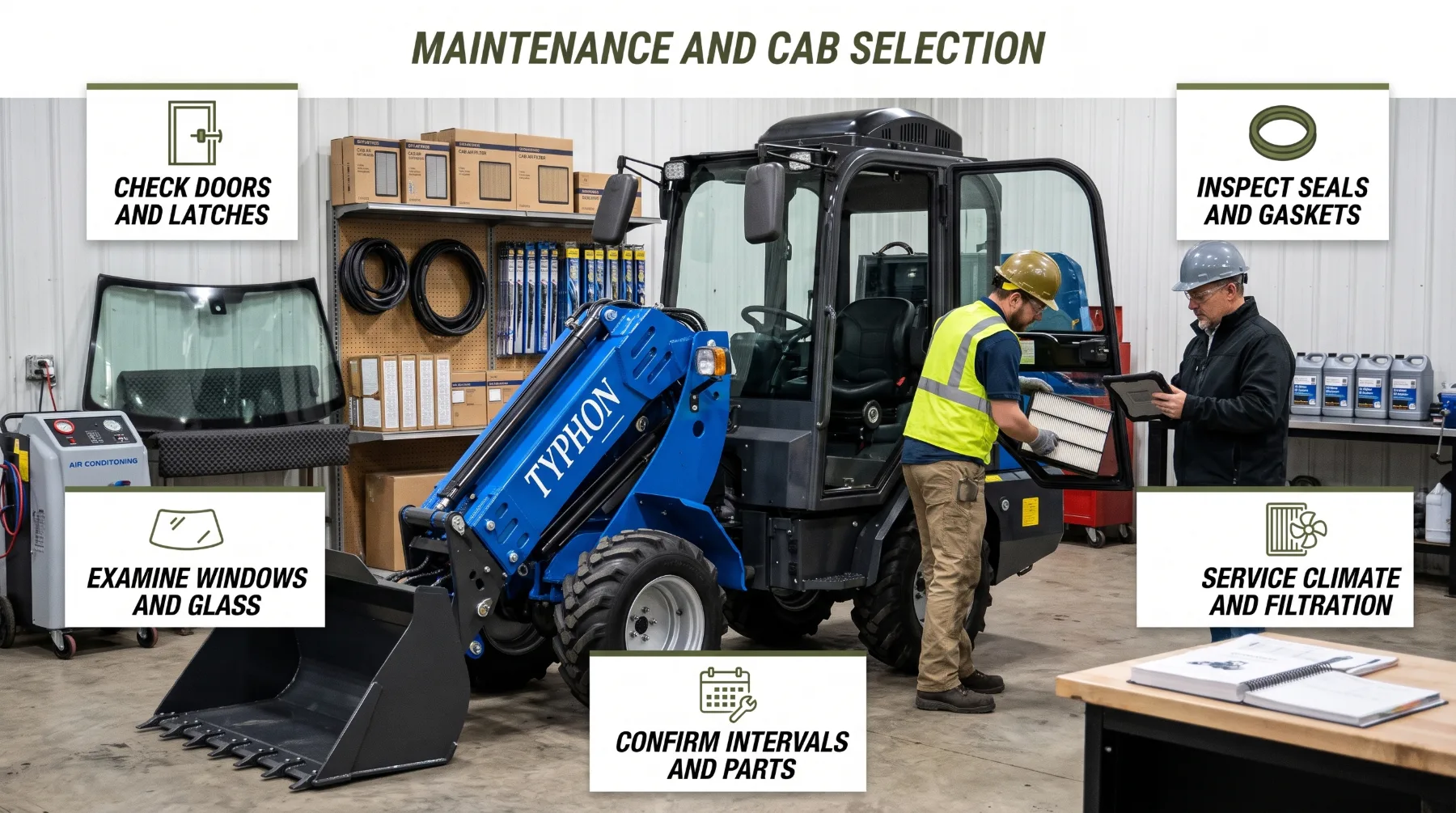
Key takeaway: Enclosed cabs add doors, seals, windows, climate systems, and filters that need regular maintenance. Inspect these components, confirm service intervals and parts availability, and choose a cab configuration that matches your working environment, dust exposure, climate, and daily operating hours.
Conclusion
Frequently Asked Questions
An enclosed cab provides a more protected operator environment, reducing exposure to rain, wind, temperature extremes, and some dust. With climate control, it can improve comfort and alertness during long shifts in challenging weather. The level of benefit depends on the cab’s construction, sealing, and features.
Does an enclosed cab eliminate dust exposure?
No. Protection depends on cab sealing, pressurization, filter type, maintenance, and the operating environment. Worn seals and clogged filters can let significant dust inside. Combine the cab with water suppression, good maintenance, and any required respiratory protection, especially where silica dust is present.
Why is visibility important in a wheel loader?
Operators need to monitor the bucket, load, tires, truck beds, and surrounding workers or obstacles throughout every cycle. Wheel loaders also reverse frequently, which increases the importance of rear visibility. Clean glass, mirrors, cameras, spotters, and clear site traffic plans all help manage blind spots.
What should buyers inspect inside the cab?
Check seating adjustment and suspension, control placement, window layout, visibility at different bucket heights, ventilation, and climate-control features. Inspect door seals, latches, and glass condition, and confirm access to cab air filters and other service components. Have regular operators test the cab during a demonstration.